When homeowners think about timeless, functional, and stylish window coverings, shutters often come to mind. But what are window shutters, and why do so many people choose them? At their core, shutters are rigid window coverings made from materials like wood, vinyl, or composite, designed to provide adjustable light control, privacy, and insulation. They’ve been around for centuries and remain a staple in both classic and modern homes. Like any investment, though, shutters come with benefits and drawbacks. In this guide, we’ll define what shutters are, explore the different types, and walk through their pros and cons so you can decide whether they’re the right choice for your home.
Let’s dive into the specifics to help you make an informed decision.
What Are Window Shutters? A Definition

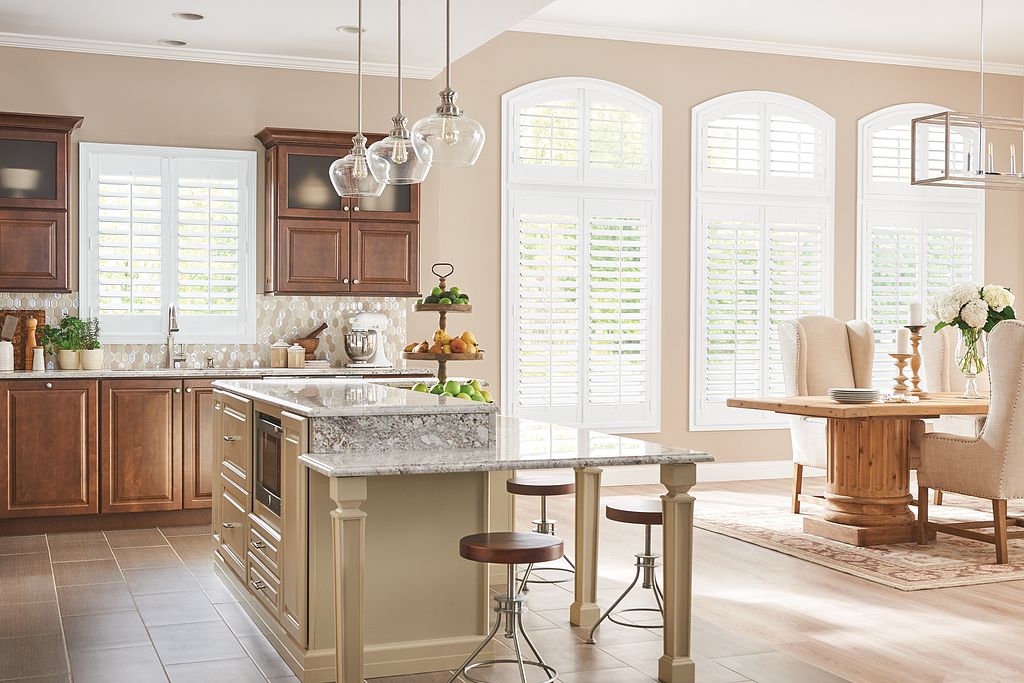
Window shutters are solid, stable window coverings with horizontal or vertical slats, also known as louvers. These slats can be tilted open or closed, allowing you to adjust light, privacy, and airflow. Unlike soft treatments such as curtains or shades, shutters are mounted directly onto the window frame, making them a semi-permanent fixture.
Shutter Materials
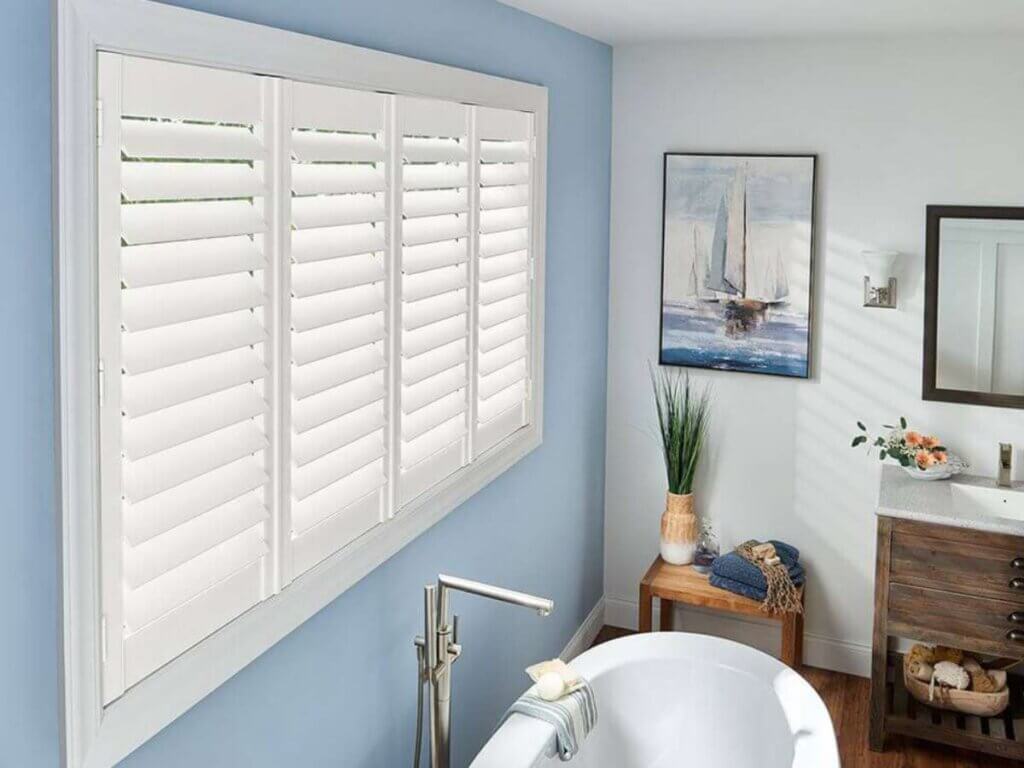
- Wood Shutters – Offer natural beauty and warmth, ideal for traditional or upscale interiors.
- Vinyl Shutters – A budget-friendly option resistant to moisture, perfect for kitchens or bathrooms.
- Composite Shutters – Engineered from wood and synthetic materials for durability and style.
Types of Shutters

- Plantation Shutters – Wide louvers for maximum light control and an elegant look.
- Café Shutters – Cover the lower half of the window, balancing privacy and daylight.
- Full-Height Shutters – Stretch from top to bottom for complete coverage.
- Tier-on-Tier Shutters – Independent upper and lower panels for flexible use.
Pros of Window Shutters
Timeless Style and Curb Appeal
Shutters add architectural interest inside and outside the home. They’re versatile enough to complement colonial, farmhouse, or modern interiors, boosting both home aesthetics and resale value.
Light Control and Privacy
Adjustable louvers give you the ability to filter natural light or block it entirely. Whether you want a bright room or complete seclusion, shutters offer control at your fingertips.
Insulation and Energy Efficiency
The solid build of shutters provides an extra layer of insulation. They help retain warmth during colder months and reduce heat gain in summer, which can contribute to energy savings.
Durability and Longevity
High-quality shutters, especially wood or composite, can last decades with proper care. They’re less prone to wear compared to fabric window coverings.
Low Maintenance
Unlike drapes that need regular washing, shutters are easy to clean with a damp cloth or dusting tool.
Cons of Window Shutters
Higher Initial Cost
Custom shutters can be more expensive upfront than other window coverings like blinds or shades. The cost of shutters varies depending on materials and installation complexity.
Permanent Fixture
While this can be a benefit, shutters aren’t as easily replaced as curtains or shades if you want a new look quickly.
Limited Softness
For homeowners who prefer a soft, cozy atmosphere, shutters may feel too rigid without layering with drapery.
Installation Requirements
Shutter installation requires precision. DIY shutters exist, but professional installation is often recommended to ensure proper fit and functionality.
Shutter Benefits vs. Drawbacks
Here’s a quick side-by-side view:
Pros of Shutters | Cons of Shutters |
Timeless style and curb appeal | Higher upfront cost |
Excellent light control and privacy | Semi-permanent fixture |
Added insulation and energy efficiency | Limited softness |
Durable and long-lasting | Professional installation often needed |
Easy to clean and maintain |
FAQs About Window Shutters
1. Are window shutters good for all climates?
Yes, but their performance varies by material. Wood shutters work best in dry, stable climates, while vinyl or composite shutters resist humidity, making them suitable for bathrooms, kitchens, or coastal areas.
2. Do shutters increase home value?
Shutters are often considered a value-adding feature because of their durability, energy efficiency, and curb appeal. Many buyers view them as a premium upgrade compared to other window treatments.
3. Can shutters be customized to fit unique window shapes?
Absolutely. Custom shutters can be designed for arched, bay, or unusually sized windows. This makes them versatile for both traditional and modern architectural designs.
Crown Your Interiors with a Timeless Gem
Window shutters are more than just a window covering—they’re a long-term investment in style, comfort, and energy efficiency. While they require a higher initial investment and careful installation, the benefits of shutters often outweigh the drawbacks for homeowners who value durability, timeless design, and everyday functionality.
If you’re considering custom shutters for your home, Made In The Shade Ashburn is here to guide you. From material selection to professional shutter installation, our team helps you weigh the options and choose treatments that complement your lifestyle. Schedule your free in-home consultation today and bring the beauty and practicality of shutters to your space.