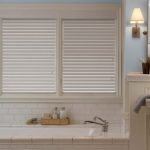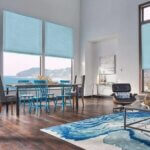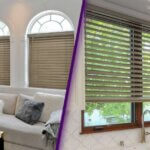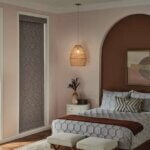

When most people picture cellular shades, beige is often the first color that comes to mind—a safe, neutral choice that suits any room. But today’s cellular shades colors go far beyond the basics, offering a spectrum of tones, fabrics, and textures that can transform your interiors while improving energy efficiency and light control.
In this guide, we’ll explore how color and fabric choice can completely redefine the look and performance of your cellular shades. From soft neutrals that soothe to bold hues that inspire, and from sheer to blackout fabrics, you’ll learn how to balance function with flair. Whether you’re refreshing a single room or reimagining your entire home, this article will help you choose cellular shades that reflect your personal style—while keeping your interiors comfortable, modern, and efficient.
What Makes Cellular Shades Unique

When most people picture cellular shades, beige is often the first color that comes to mind—a safe, neutral choice that suits any room. But today’s cellular shades colors go far beyond the basics, offering a spectrum of tones, fabrics, and textures that can transform your interiors while improving energy efficiency and light control.
In this guide, we’ll explore how color and fabric choice can completely redefine the look and performance of your cellular shades. From soft neutrals that soothe to bold hues that inspire, and from sheer to blackout fabrics, you’ll learn how to balance function with flair. Whether you’re refreshing a single room or reimagining your entire home, this article will help you choose cellular shades that reflect your personal style—while keeping your interiors comfortable, modern, and efficient.
Exploring Cellular Shade Color Options
Color has a remarkable way of setting the tone for a space. Whether you prefer soft neutrals or bold, statement-making hues, your choice of cellular shade colors can influence the entire mood of a room.
1. Neutral Shades: Versatile and Timeless
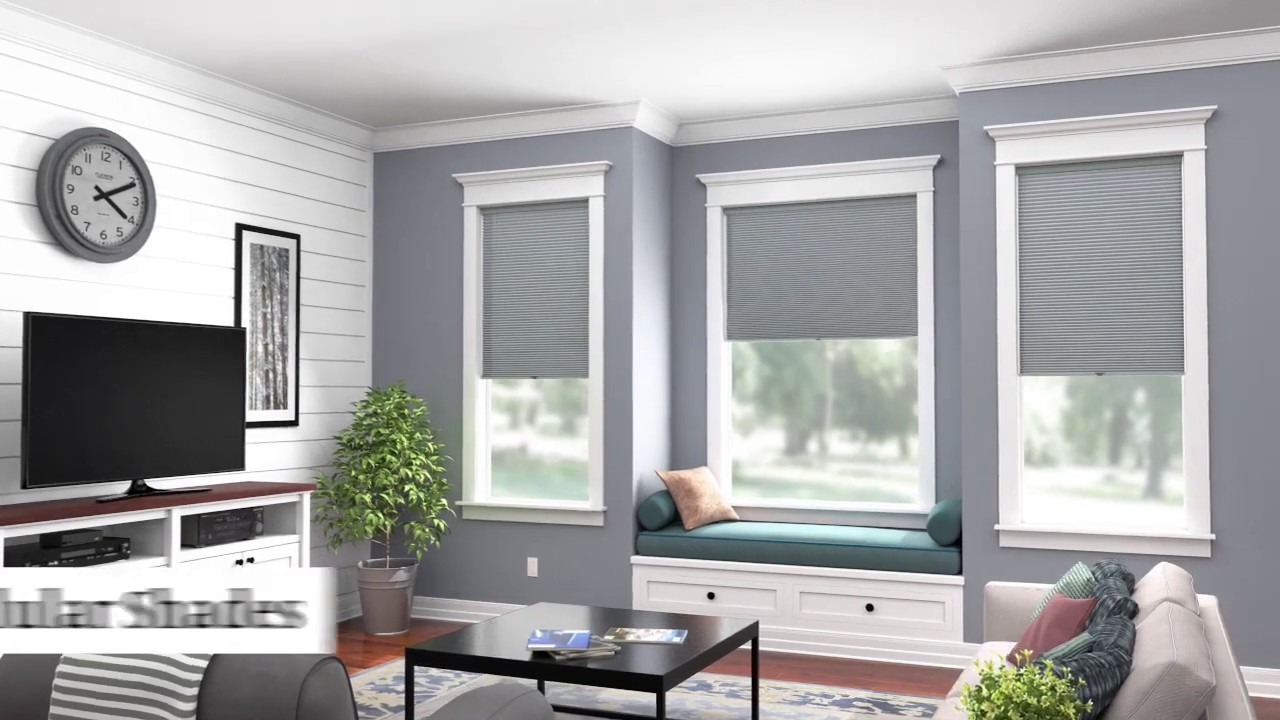
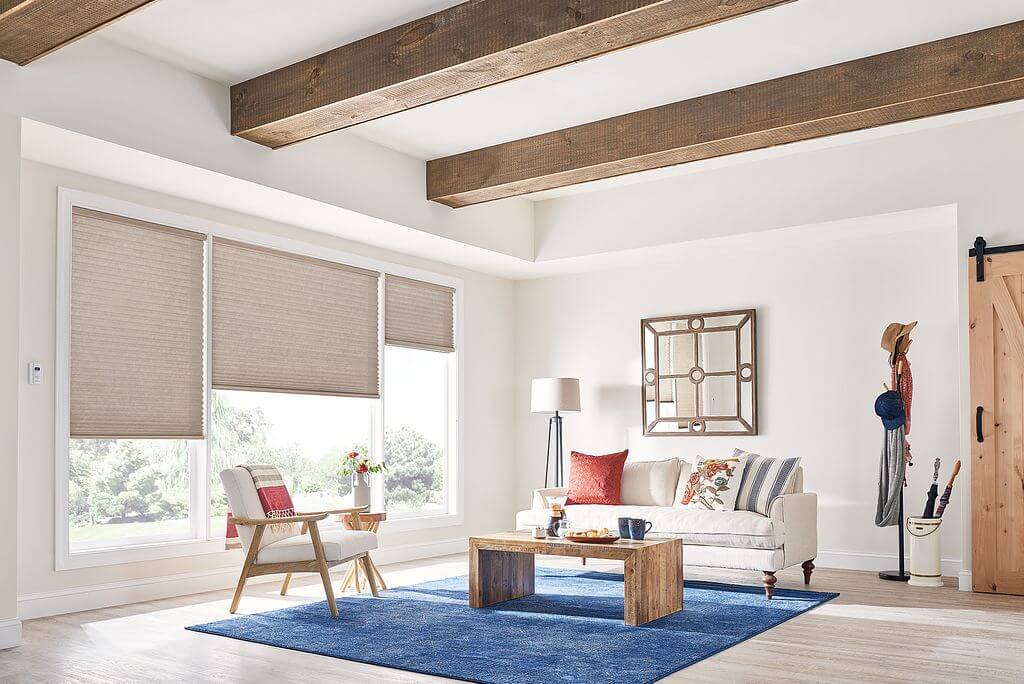
Whites, creams, and grays remain favorites for good reason. They blend seamlessly with most décor styles—modern, traditional, or transitional—and keep the space feeling open and airy. Neutrals also pair beautifully with natural wood tones and textured fabrics, offering a clean yet inviting aesthetic.
2. Earthy Tones: Warm and Organic
Colors like sand, taupe, and terracotta bring a natural warmth that feels grounded and comfortable. They complement organic textures and enhance cozy, thermal interiors—especially in living rooms or bedrooms where you want a relaxing, nature-inspired retreat.
3. Vibrant Colors: Confident and Creative
For homeowners who want to make a statement, jewel tones such as navy, emerald, or deep plum can add a rich dimension to their windows. Even a small pop of color—say, coral in a bright kitchen or teal in a home office—can make the space feel lively and personalized.
4. Cool Blues and Greens: Calming and Modern
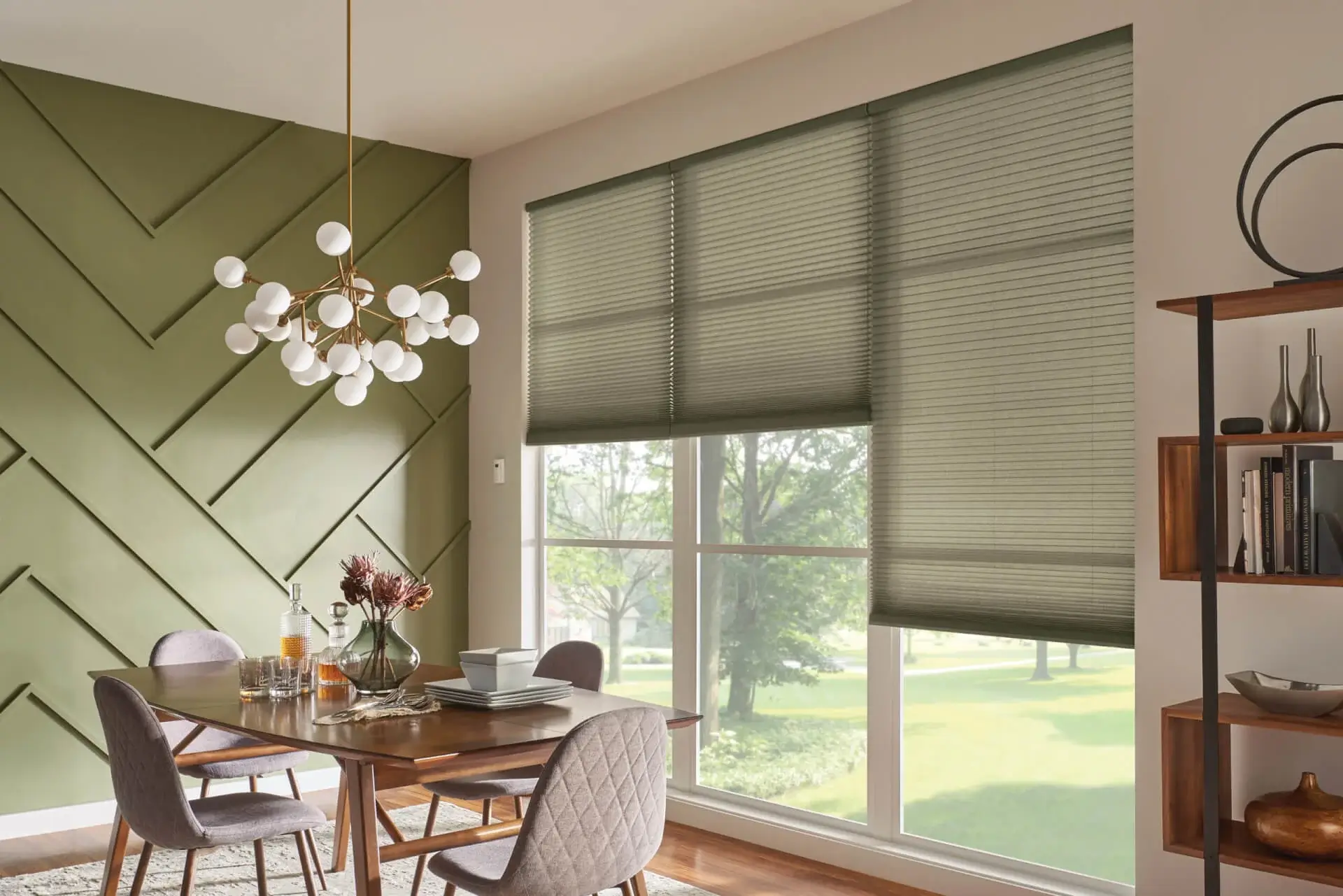
These hues create a fresh, tranquil feel ideal for bedrooms and bathrooms. Pairing blue or green cellular shades with sheer or light-filtering fabrics adds depth while maintaining a peaceful atmosphere.
5. Dark Hues: Dramatic and Refined
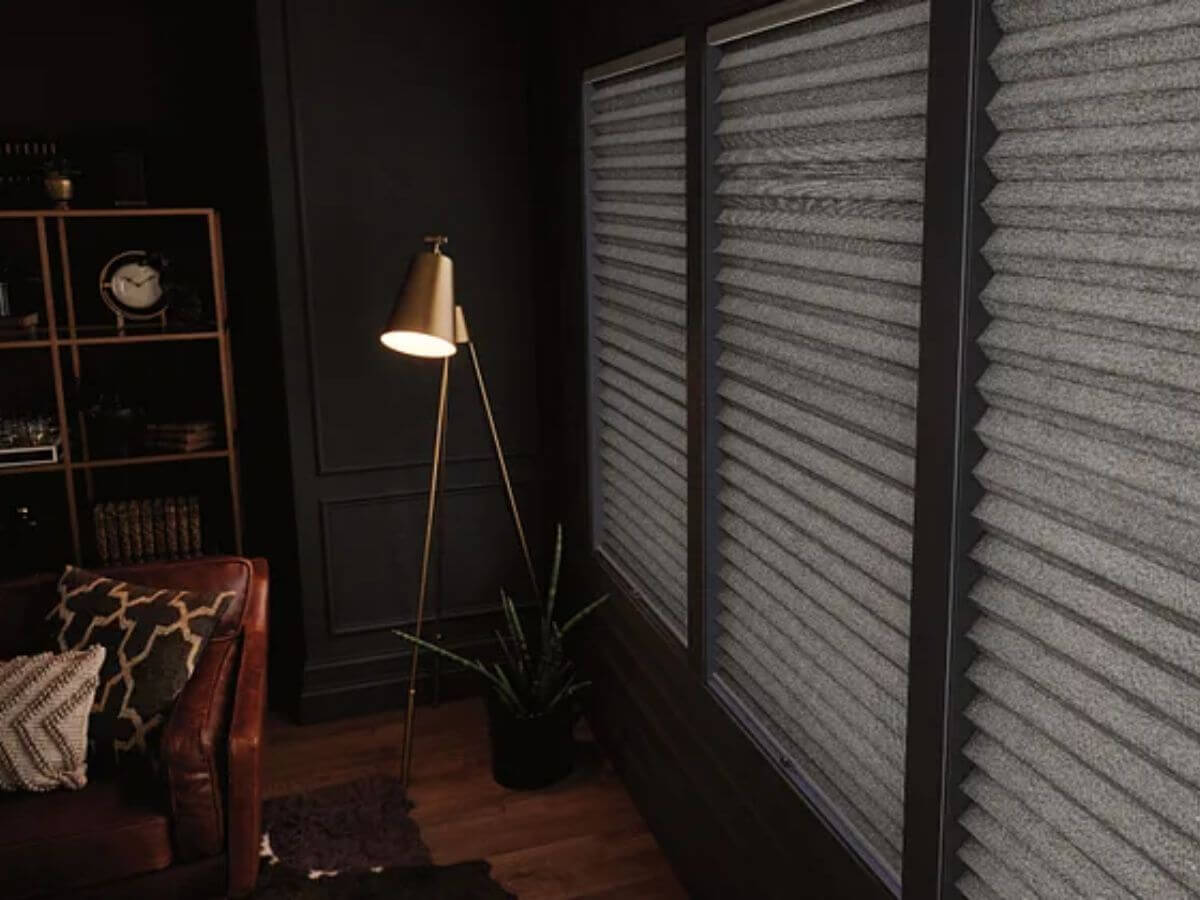
Black, espresso, or slate tones work beautifully in modern or minimalist interiors. When paired with blackout fabric, they offer complete light darkening and a sleek, sophisticated finish—perfect for media rooms or nurseries.
Choosing the Right Fabric for Your Cellular Shades
The fabric you select influences how much light filters through and how much insulation you gain. Below are the most common fabric types and their impact on your home’s comfort and style.
1. Light-Filtering Fabrics
Ideal for living spaces and kitchens, these fabrics allow soft, natural light to enter while reducing glare. They maintain privacy during the day and create a warm, diffused glow that enhances your interior design.
2. Blackout Fabrics
Made for bedrooms, nurseries, or media rooms, blackout cellular shades block nearly all light and provide excellent UV protection. They’re also highly energy-efficient, helping regulate temperature and reduce heating and cooling costs.
3. Sheer or Semi-Transparent Fabrics
These fabrics let you enjoy your outdoor view while still softening the sunlight. Sheer materials pair beautifully with vibrant colors or layered textures, creating a breezy, elegant feel.
4. Double-Cell Fabrics
For those in colder climates or drafty homes, double-cell fabrics offer extra insulation compared to single-cell designs. The additional layer of air pockets enhances thermal performance without adding bulk.
5. Textured Fabrics
From woven linen looks to silk-inspired finishes, textured fabrics add depth and dimension to your windows. They can elevate simple shades into standout design features that complement other materials in your décor.
5 Expert Tips for Styling Cellular Shades

✓ Layer for Luxury – Combine cellular shades with drapery panels to add softness and sophistication.
✓ Coordinate with Trim – Match your shade color to your window trim or baseboards for a seamless, custom finish.
✓ Use Contrasts Wisely – A bold shade color against neutral walls can create visual interest and balance.
✓ Mind the Mood – Opt for warm tones for cozy rooms and cool hues for spaces designed to evoke a sense of calm or airiness.
✓ Go Cordless – A cordless design keeps your shades clean-lined, safe for children, and easy to operate.
FAQs About Cellular Shades Colors
Q1. Are darker cellular shades less energy-efficient than lighter ones?
Not necessarily. Both dark and light cellular shades colors provide insulation due to their honeycomb structure. However, lighter shades tend to reflect more sunlight, keeping rooms cooler, while darker tones can absorb heat, which is beneficial during colder months.
Q2. Can I customize the color and fabric combination for my shades?
Yes! Many window treatment professionals, including MITS Ashburn, offer custom cellular shades in various colors and fabric combinations. You can select everything from the pleat size and texture to opacity and finish for a one-of-a-kind design.
Q3. What’s the best way to clean cellular shades without damaging the fabric?
Regularly dusting with a soft brush or gentle vacuum attachment is effective for routine care. For deeper cleaning, use a mild detergent and spot-treat stains with a damp cloth. Always follow the manufacturer’s care instructions to maintain the fabric’s quality.
Bring Color, Comfort, and Character to Your Windows
Color and fabric choice can make or break the look of your windows—and with cellular shades, the possibilities are endless. Whether you prefer subtle neutrals or daring hues, MITS Ashburn can help you design shades that perfectly balance beauty, comfort, and efficiency.
Book a free consultation with MITS Ashburn today and explore how our expert design team can help you move beyond the basic beige to a shade and fabric combination that’s uniquely yours.